
Fresh Sourdough Bread & Small-Batch Bakes in Albuquerque
Shop fresh sourdough bread, pastries, cookies, desserts, pizza kits, cakes, and seasonal bakes from Eat Well ABQ. Because our bakery is built around sourdough and slow fermentation, online preorders are not instant pickup orders — most take anywhere from 2 days to 1 week depending on the item, bake schedule, fermentation, and current order volume.
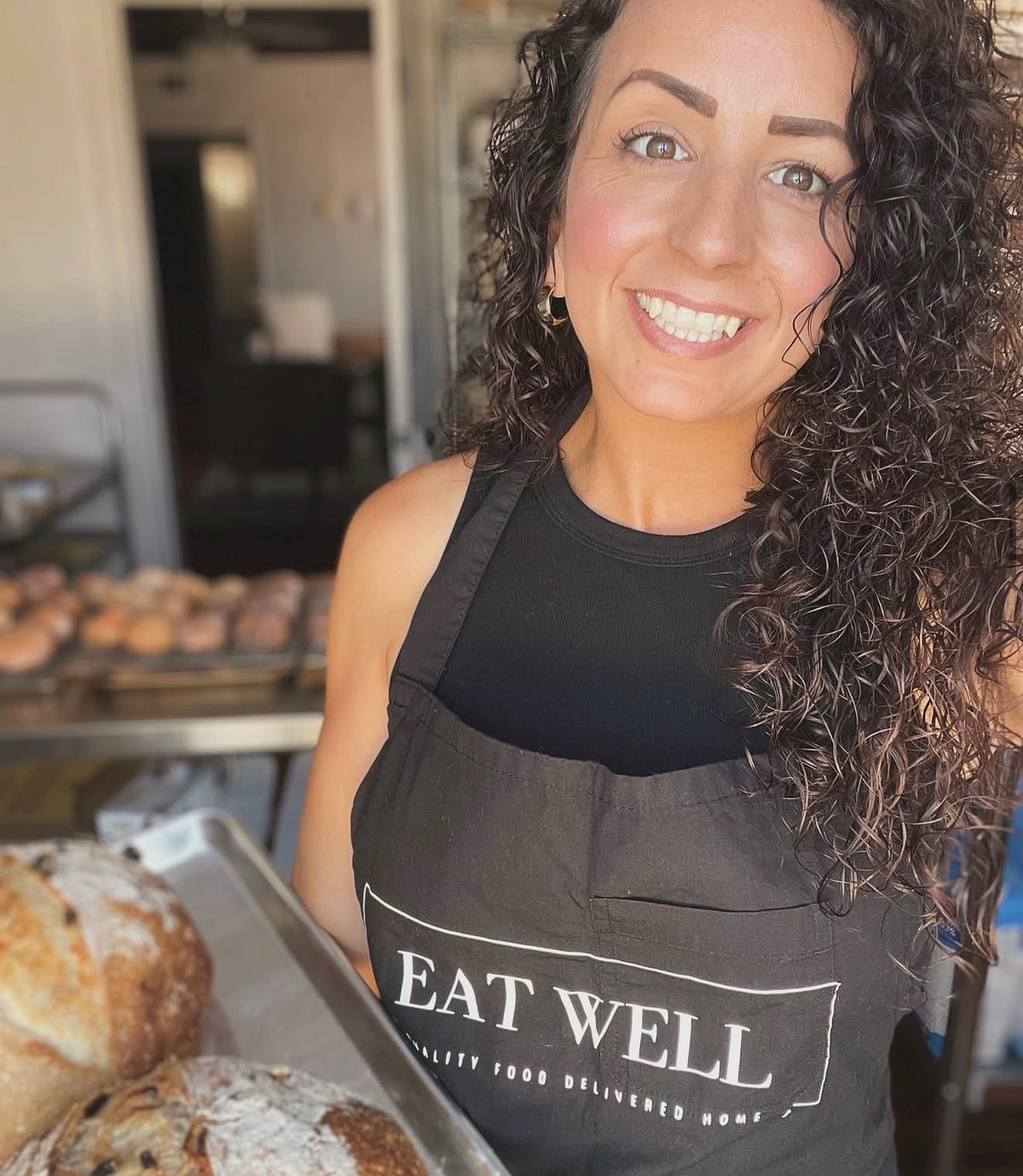
Want bread today?
Visit the Eat Well ABQ bread cart on Tuesday, Thursday, and Saturday from 9 AM to dark. Cart selection is based on what Chef has fresh that day.
Bread Cart DetailsWant specific bakes?
Use the online bakery menu below. Because our menu is sourdough-based and made fresh in small batches, preorders usually take 2 days to 1 week.
Shop PreordersIn Rio Rancho?
El Paisano Market carries select Eat Well ABQ items. Retail stock is separate from custom online preorders and may vary weekly.
Retail DirectionsChoose the bake that fits your table.
Start with a classic sourdough loaf for the week, grab rolls or buns for dinner, or bring home something sweet for the family. Everything below links directly to the product page so checkout stays simple — just remember that sourdough preorders take time.
Start with a loaf
Original, green chile cheese, sandwich, rosemary olive oil, and other fresh sourdough loaves.
Add something sweet
Cinnamon rolls, scones, donut holes, brownies, cookies, cupcakes, and dessert boxes made through our sourdough bakery rhythm.
Build a meal
Pizza kits, tortillas, buns, rolls, bagels, and bread-cart favorites for easy local pickup.
Shop Bakery Favorites
Browse sourdough bread, buns, pastries, cookies, desserts, pizza kits, cakes, and seasonal bakes by category. Online bakery preorders are made fresh and usually take 2 days to 1 week depending on the item, fermentation, bake schedule, and current order volume.
Sourdough Loaves
Long-fermented sourdough loaves, buns, rolls, tortillas, and bread-cart favorites made fresh in Albuquerque.
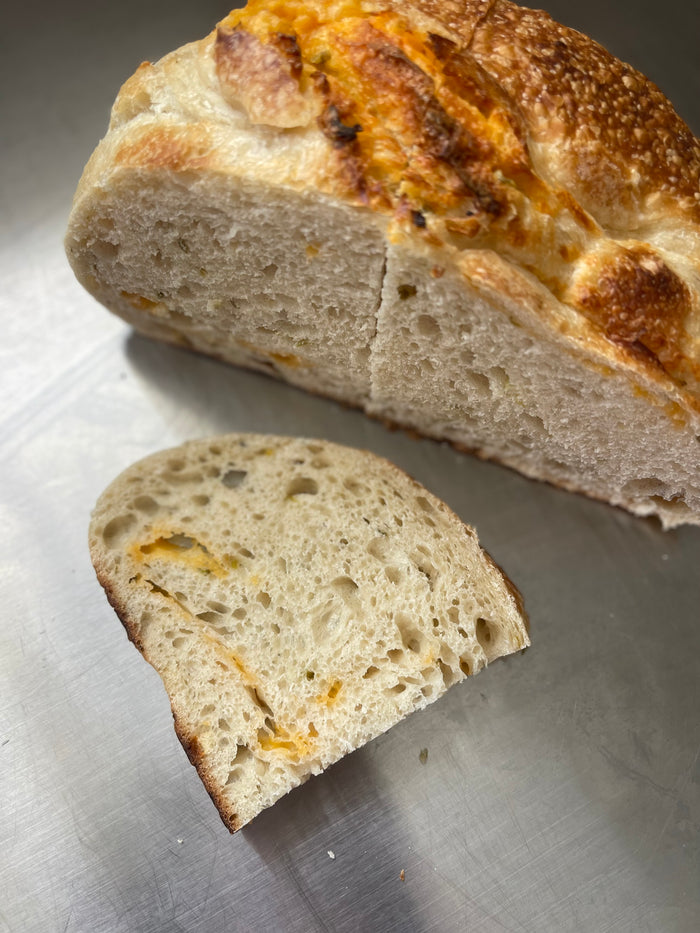
Green Chile Cheese Sourdough Loaf
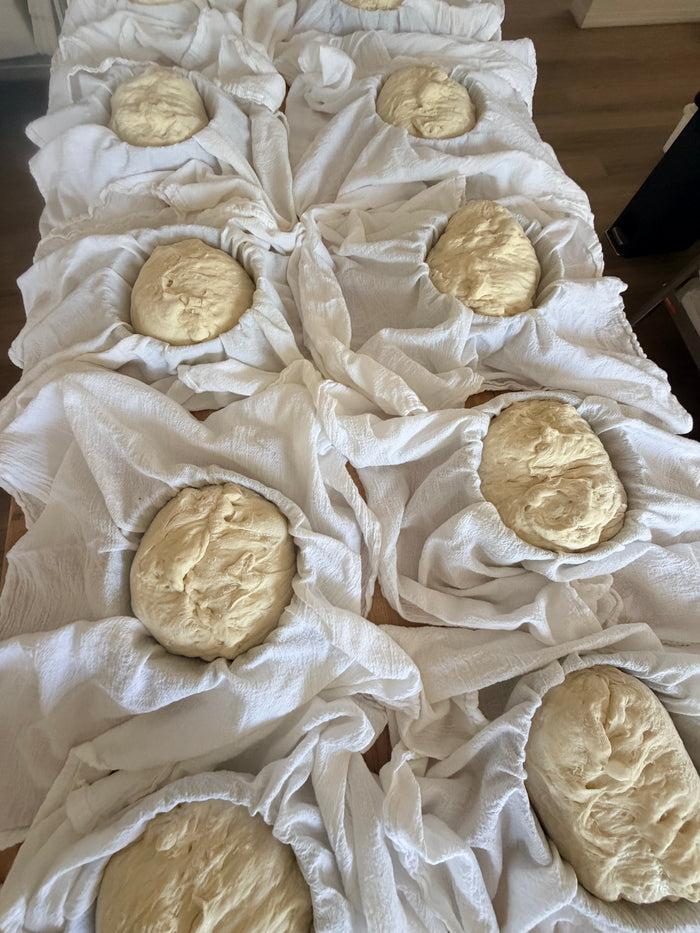
Original Sourdough Loaf
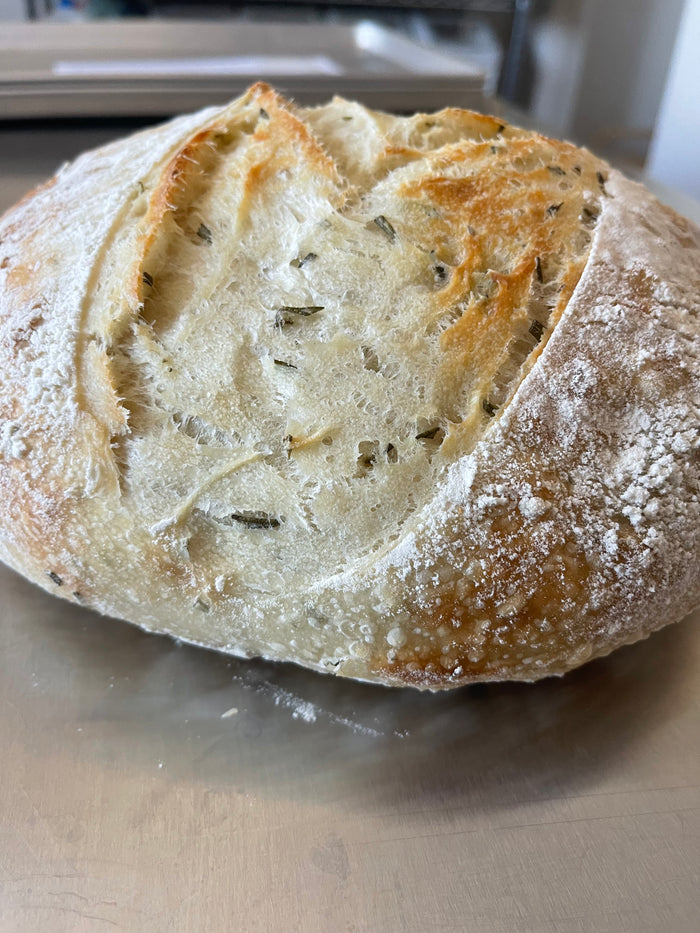
Rosemary and Olive Oil Sourdough Loaf
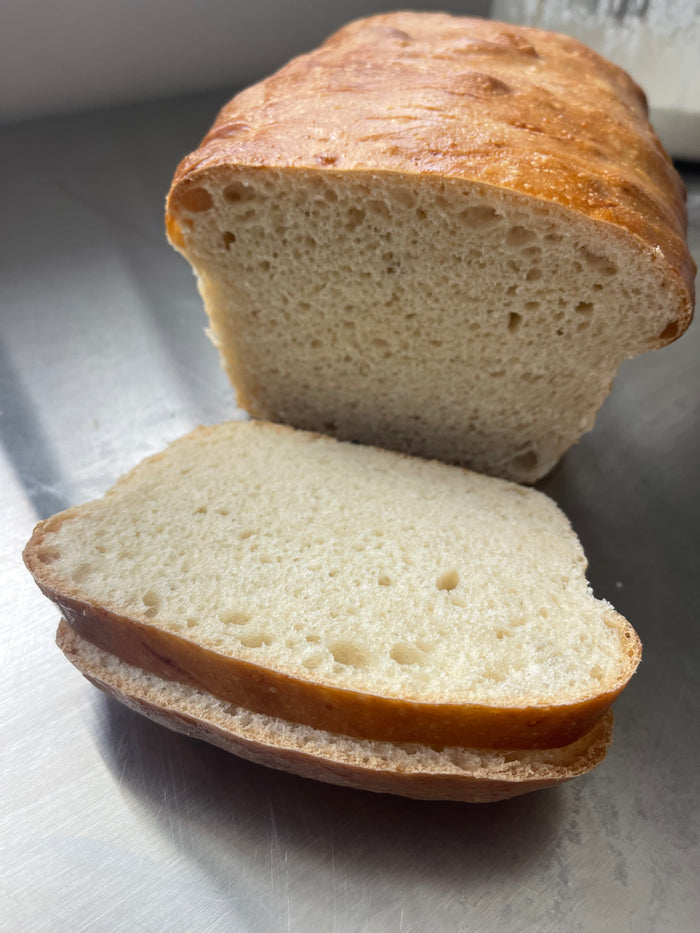
Sourdough Sandwich Loaf
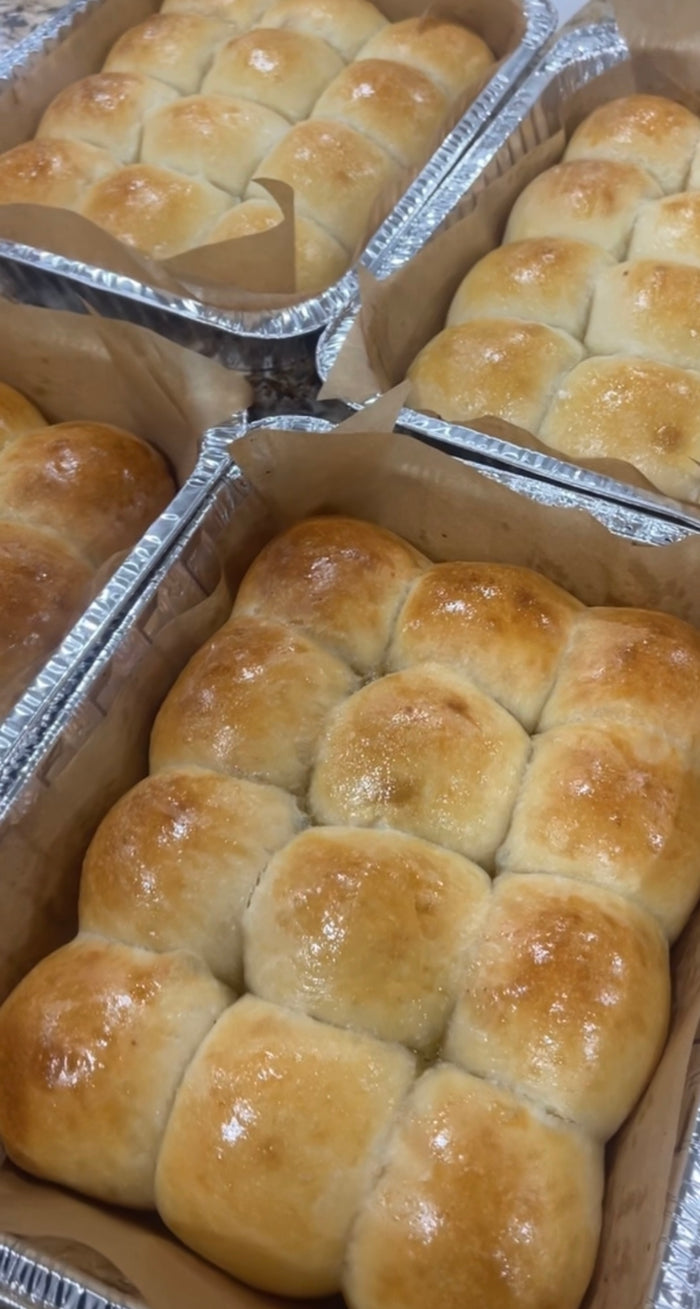
Sourdough Dinner Rolls | 12 Pack
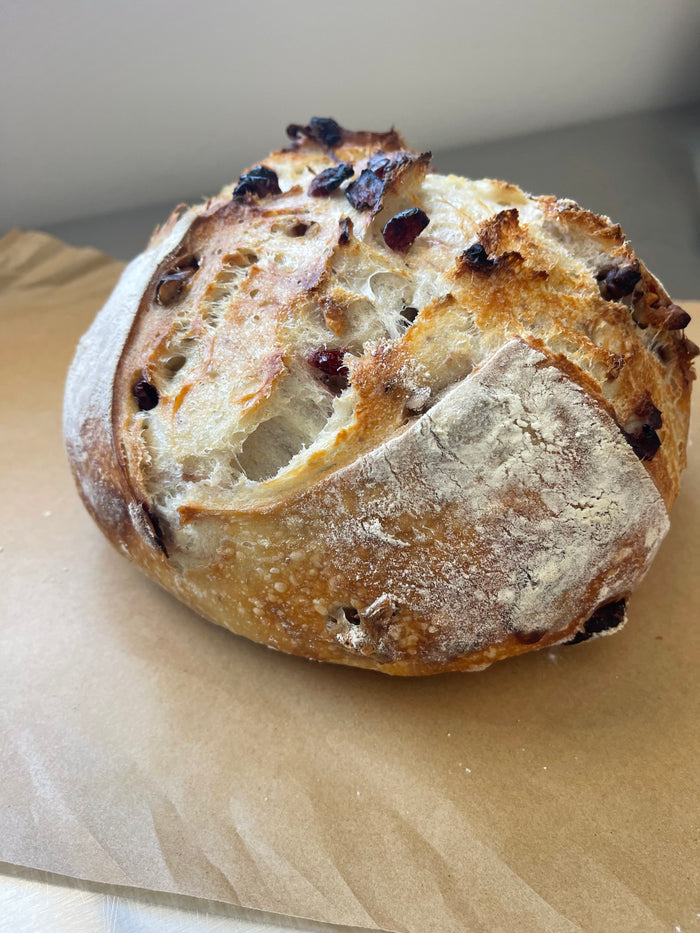
Walnut Cranberry Sourdough Loaf
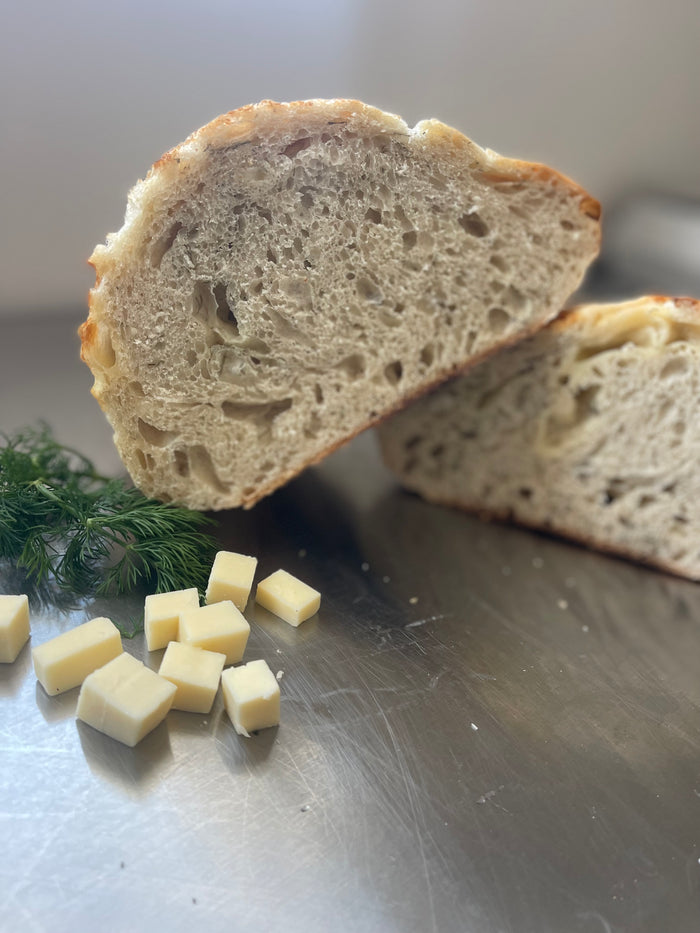
Dill and White Cheddar Sourdough Loaf
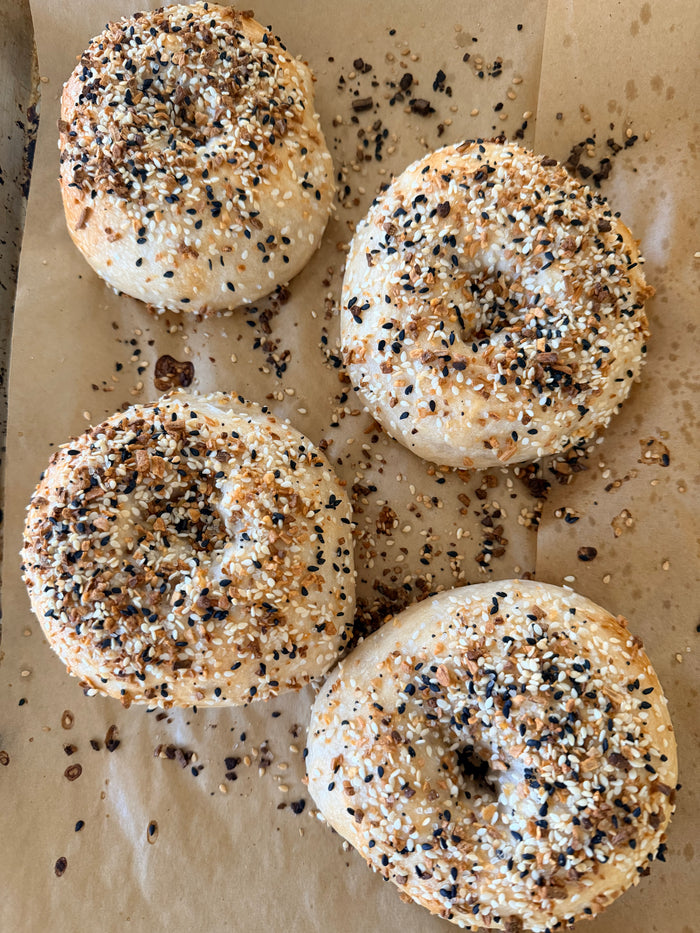
Sourdough Bagels | 4 Pack

Original Gluten-Free Sourdough Loaf
Pastries & Breakfast Bakes
Cinnamon rolls, donut holes, scones, coffee cake, muffins, granola, and breakfast-friendly bakes made with Eat Well ABQ’s sourdough rhythm.
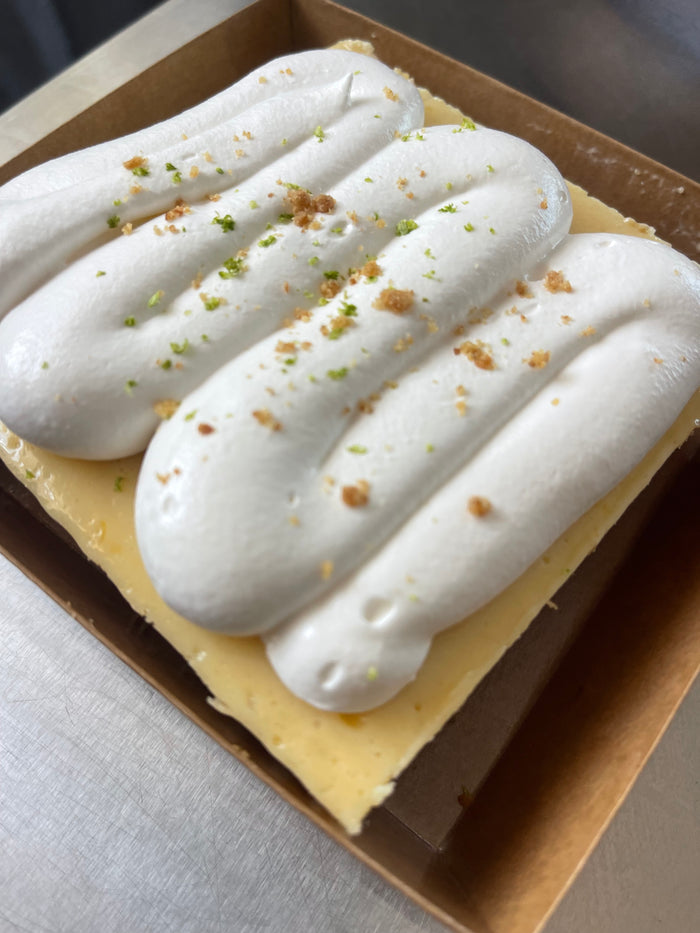
Single-Serve Sourdough Key Lime Bar
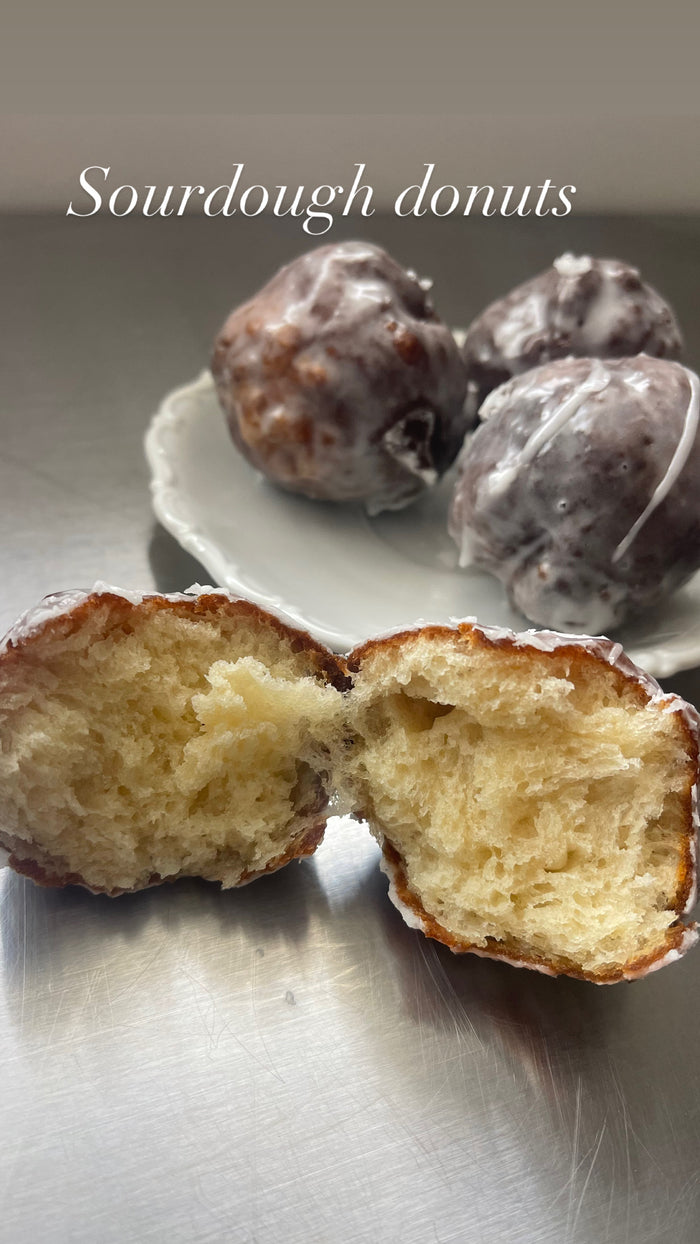
Sourdough Donut Holes | 1 Dozen
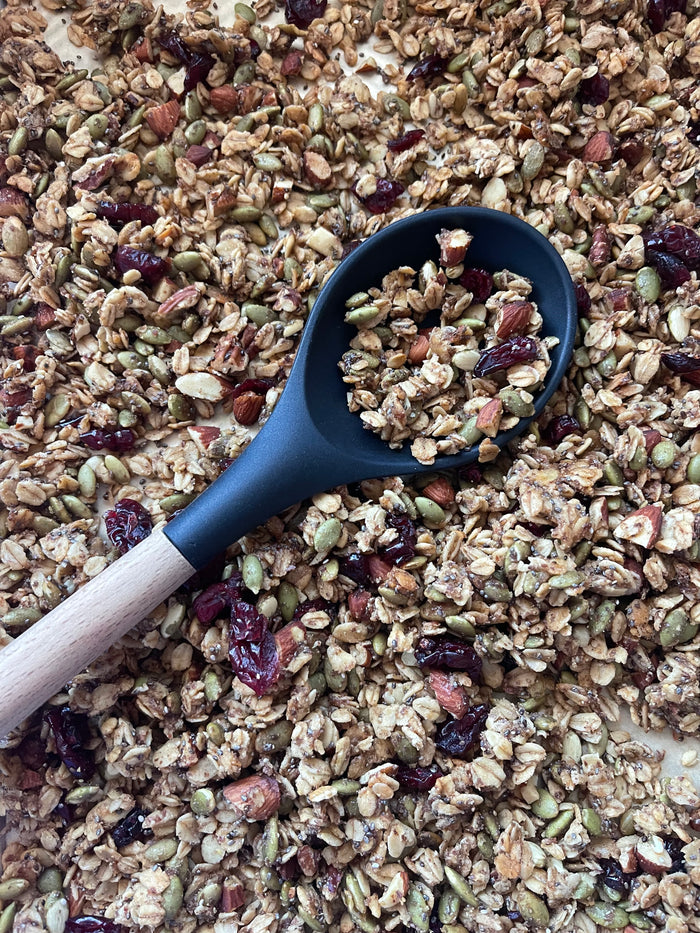
Sourdough Granola
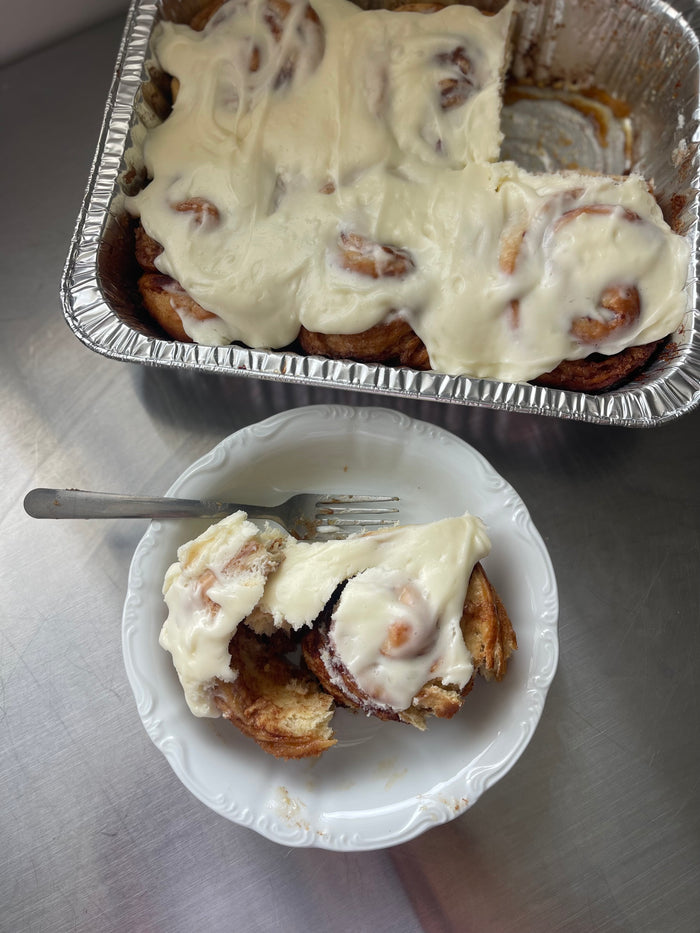
Sourdough Cinnamon Rolls (6-Pack)
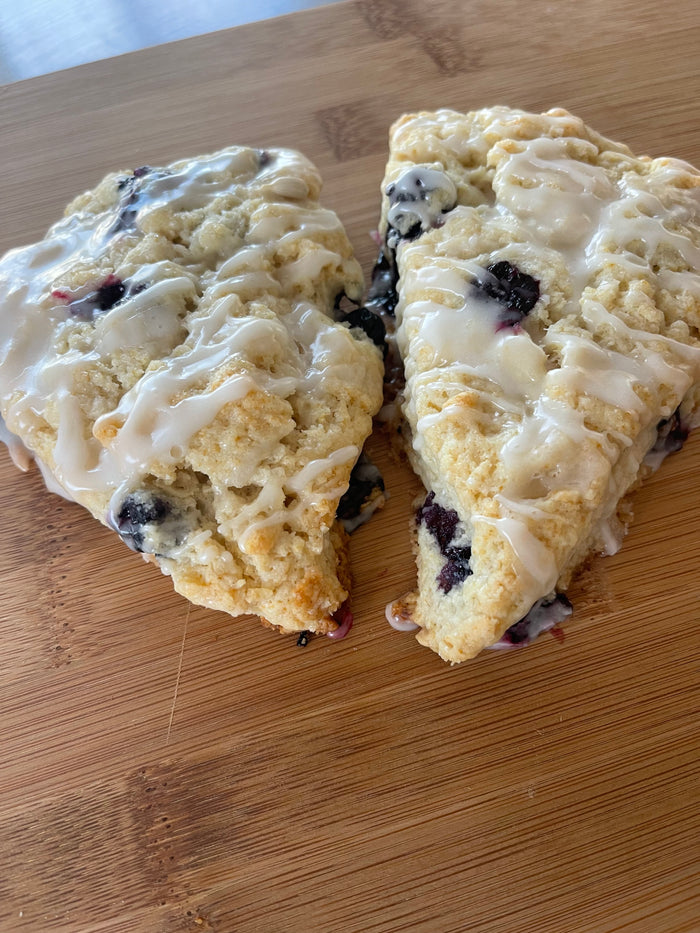
Sourdough Blueberry Lemon Scones | 4 Pack
Cookies & Desserts
Sourdough cookies, brownies, dessert boxes, bars, sweet loaves, and small-batch treats made fresh by preorder.
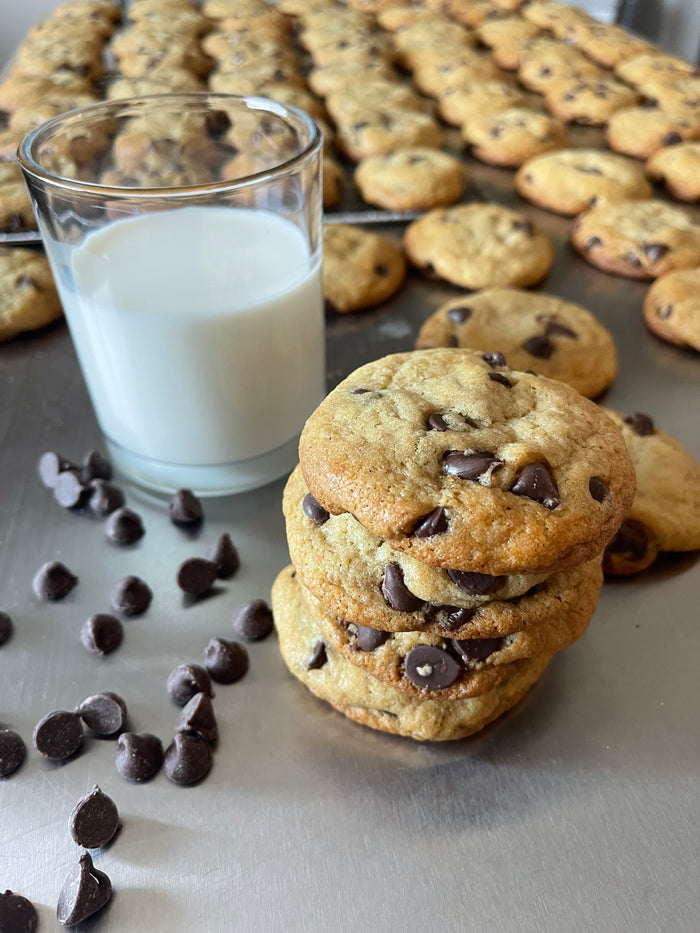
Sourdough Chocolate Chip Cookies | 12 Count
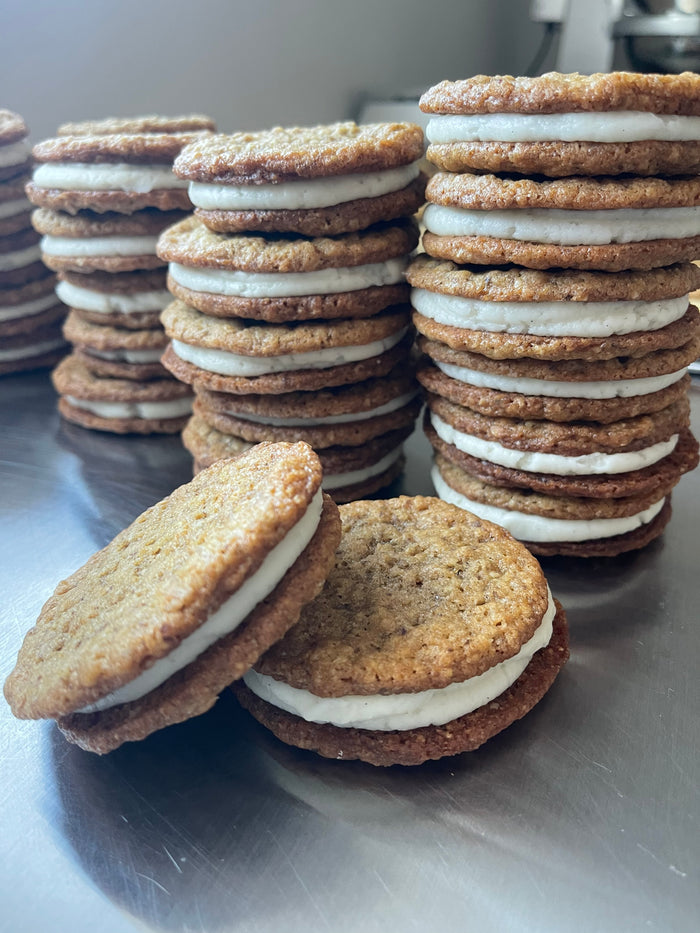
Sourdough Oatmeal Cream Pie Cookies 4-Pack | Eat Well ABQ
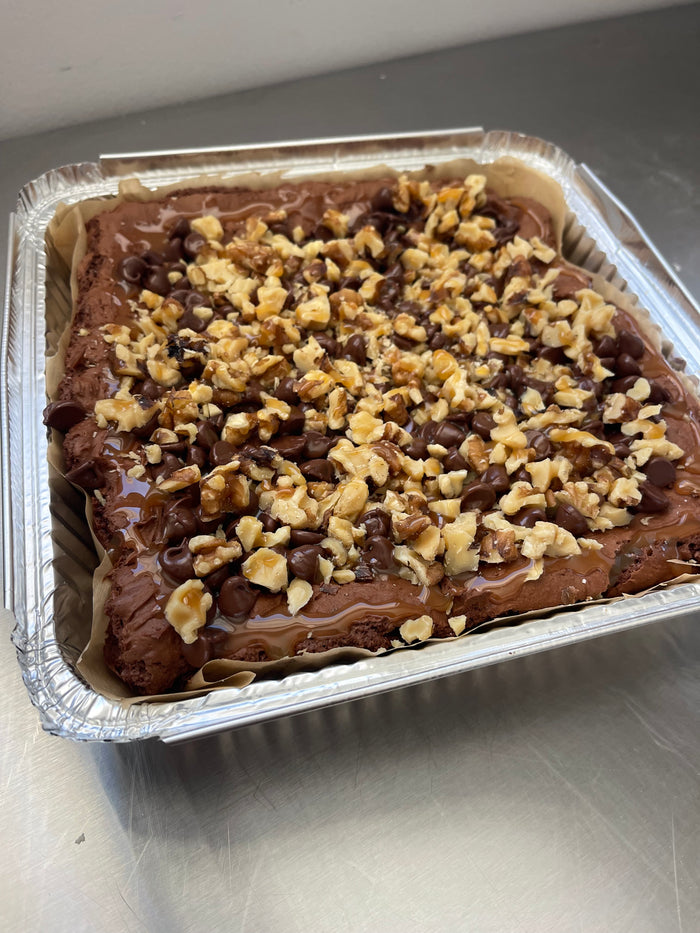
Sourdough Fudgy Brownies (8x8)
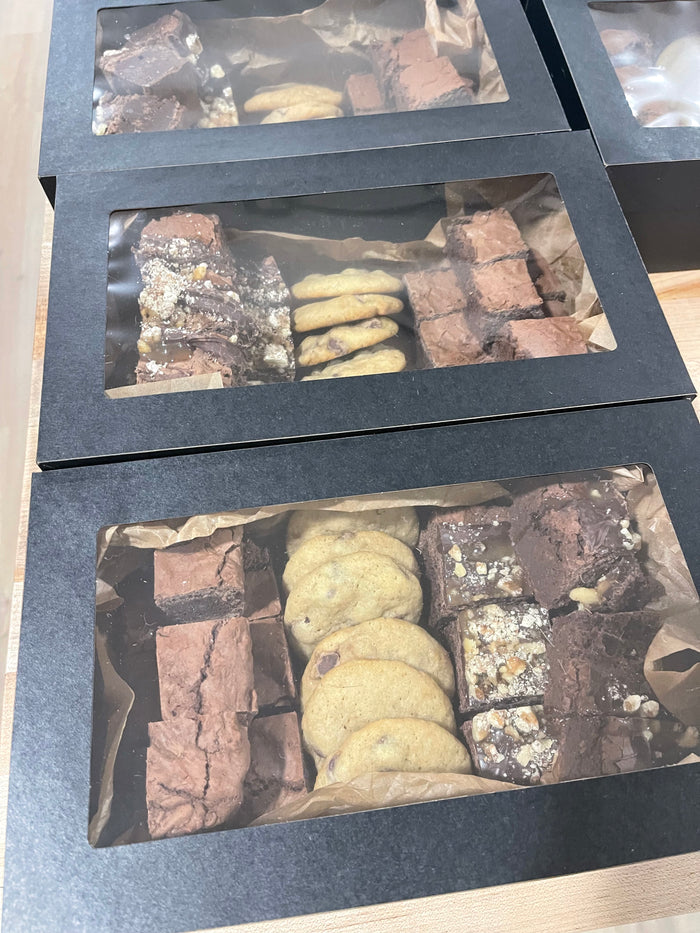
Mini Sourdough Dessert Box
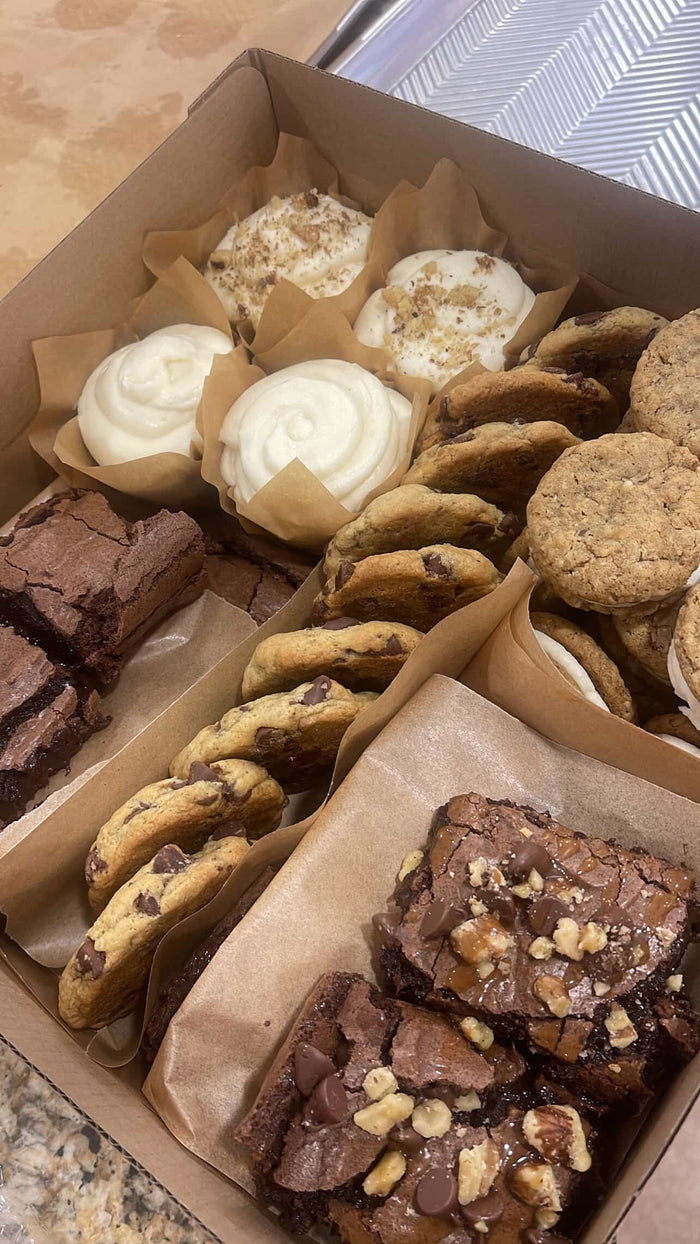
Large Sourdough Dessert Box
Cakes
Sourdough cakes, cupcakes, coffee cake, muffins, and special dessert bakes when available.
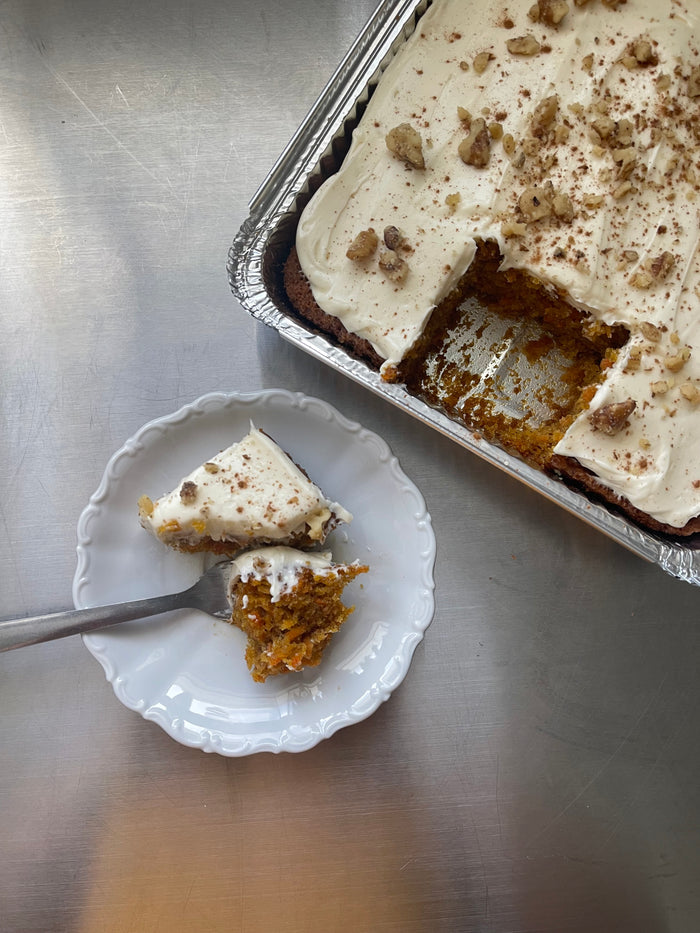
Sourdough Carrot Cake(8x8)
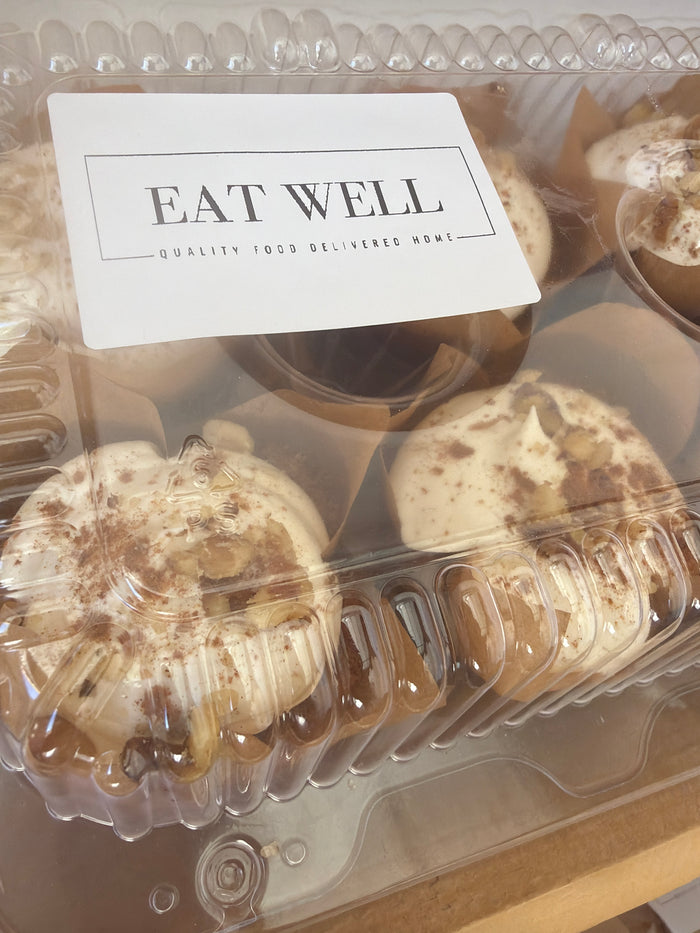
Sourdough Carrot Cupcakes | 6 Pack
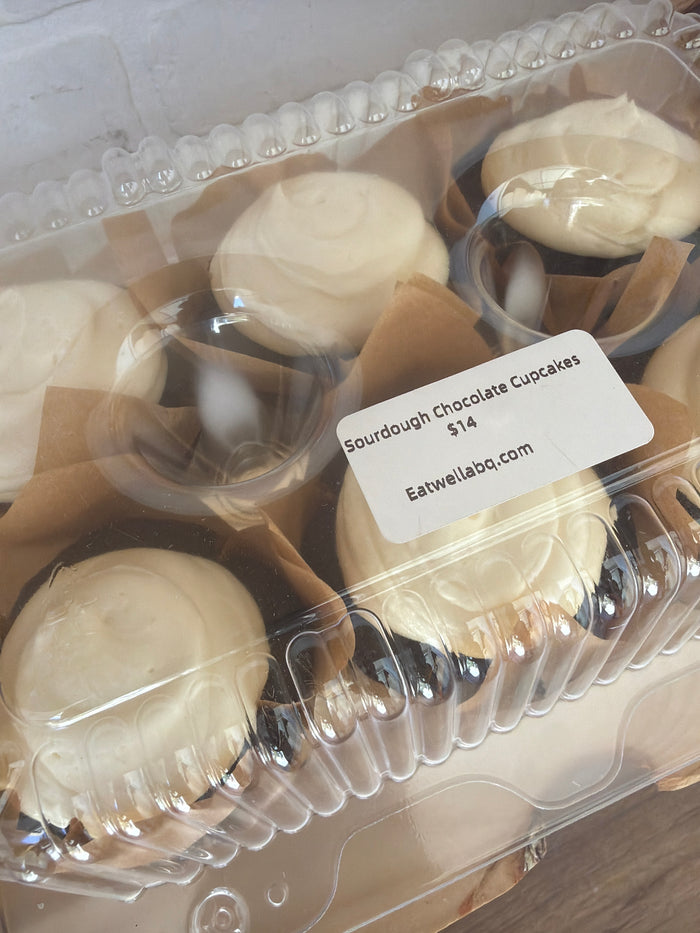
Sourdough Chocolate Cupcakes | 6 Pack
Pizza Night & More
Pizza kits, sourdough starter, granola, gift cards, and other Eat Well ABQ favorites.
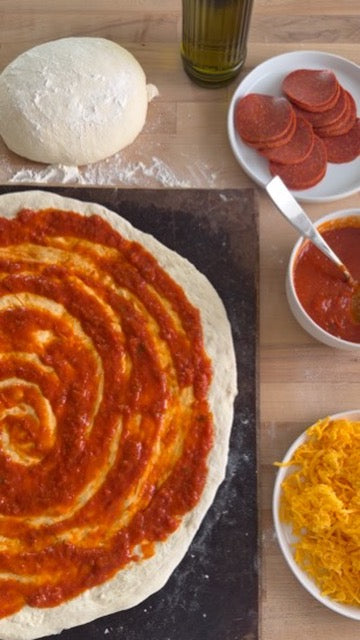
Sourdough Pizza Kit | Makes Three 10-Inch Pizzas
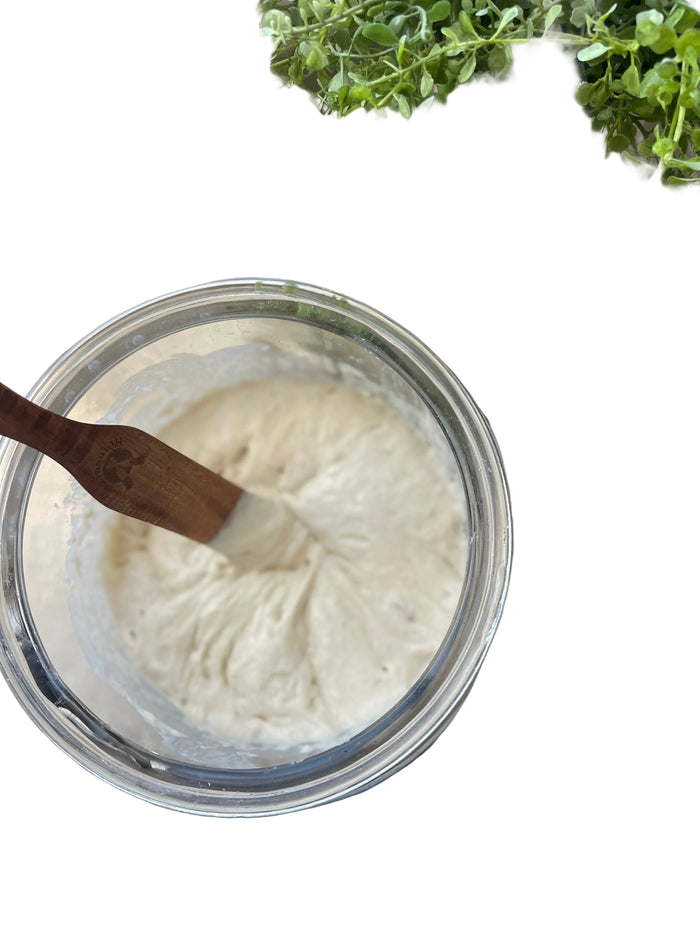
Dehydrated Sourdough Starter Kit | Beginner-Friendly Starter | Eat Well ABQ
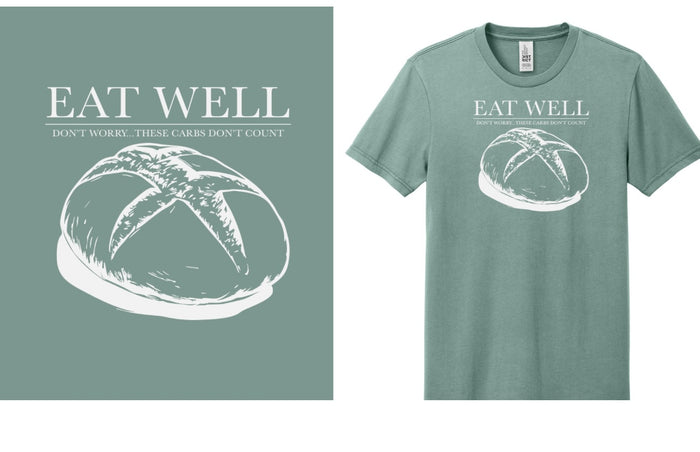
Sourdough Shirts | Eat Well ABQ Bakery Tee
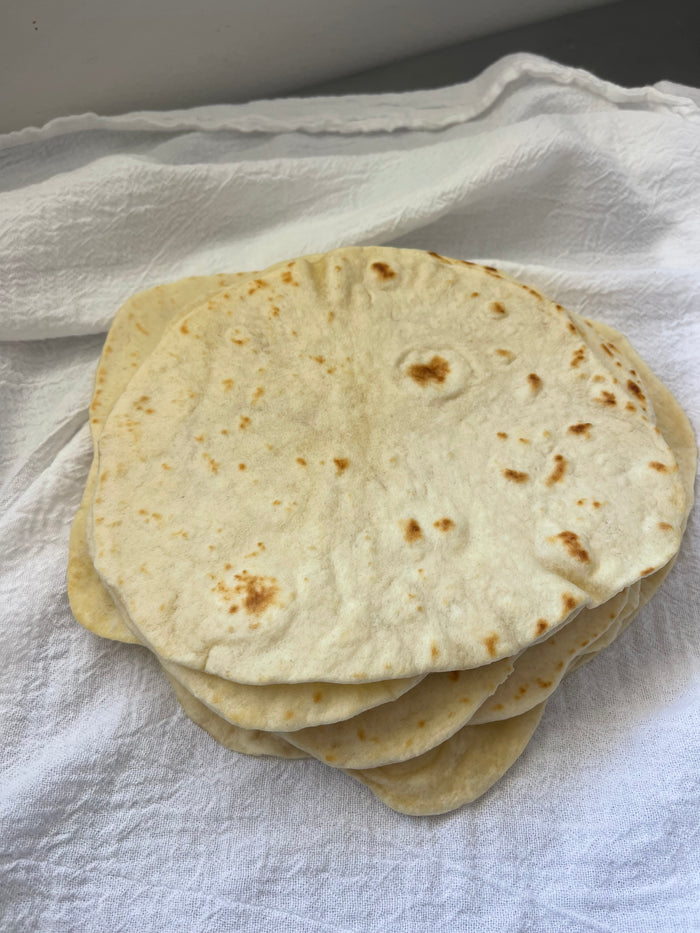
Sourdough Tortillas
Fresh bakes, clear pickup, real sourdough rhythm.
Eat Well ABQ is a small-batch Albuquerque bakery, not a warehouse-style checkout. Bread cart items are available during cart hours while supplies last, and online bakery preorders are made fresh through a sourdough-based process that usually takes 2 days to 1 week.
That timing matters because sourdough is slow food. Many items need fermentation, prep, shaping, baking, cooling, packaging, and coordination around Chef Evangalene’s class and bake schedule before they are ready for pickup.
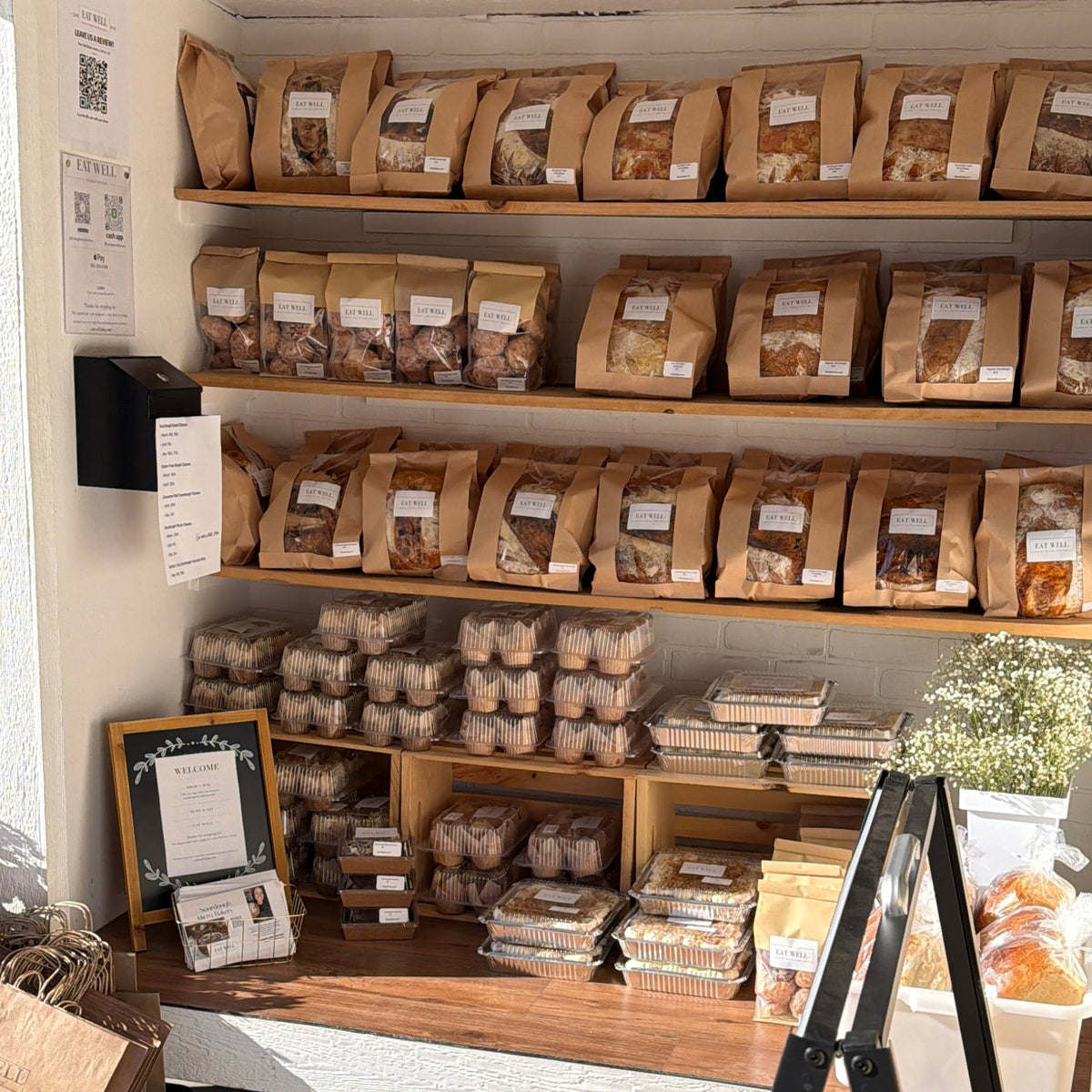
Sourdough Loaves
Start here for classic weekly bread, sandwich loaves, savory loaves, sweet loaves, and focaccia-style bakes.
Pastries & Breakfast
Choose cinnamon rolls, scones, donut holes, coffee cake, muffins, granola, and breakfast-friendly bakes.
Cookies & Desserts
Browse cookies, brownies, dessert boxes, key lime bars, cupcakes, carrot cake, and seasonal sweet bakes.
Pizza Night & More
Look here for sourdough pizza kits, starter kits, gift cards, granola, and other bakery favorites.
Bread cart now, preorders fresh.
There are two ways to shop Eat Well ABQ: visit the bread cart for day-of fresh availability, or preorder online for specific bakery menu items. Online bakery preorders usually take 2 days to 1 week because this is sourdough-based, small-batch baking — not instant warehouse fulfillment. Many items need fermentation, prep, baking, cooling, packaging, and coordination with Chef Evangalene’s bake schedule.
Bread Cart Pickup
Visit the Eat Well ABQ bread cart for fresh day-of availability, or pick up online preorders here when your order is ready.

Rio Rancho Retail Location
Find select Eat Well ABQ items stocked locally at El Paisano Market in Rio Rancho. Retail stock is separate from custom online bakery preorders.
Why Eat Well ABQ Bakes Are Different
Our bakery is rooted in sourdough, long fermentation, small-batch baking, and real food made with care. That slower rhythm is why our preorders are fresher, more intentional, and not always same-day ready.
Rooted in Sourdough
Sourdough is at the heart of what we bake, from loaves to pastries, sweets, and seasonal favorites.
Long-Fermented
Sourdough needs time. Many items require fermentation and prep before they ever reach the oven.
Small-Batch
We bake in small batches so each order feels fresh, thoughtful, and worth waiting for.
Local to Albuquerque
Eat Well ABQ is a local bakery serving Albuquerque, Rio Rancho, and nearby New Mexico communities.
Loved by Albuquerque Bread Lovers
From sourdough loaves to cookies, pastries, and seasonal bakes, our customers come back for fresh flavor and small-batch care.
“Best sourdough in Albuquerque! The crust is perfect and the flavor is incredible. I order every week.”
“The cookies are amazing! Fresh, soft, and full of flavor. My family loves them.”
“Love the bread cart pickup! So convenient and the bread is always fresh and warm.”
Bakery Ordering FAQ
Quick answers for bread cart days, online preorders, pickup timing, sourdough prep, storage, and seasonal bakery availability.
Cart today, preorder for later.
Visit the bread cart for day-of fresh availability, preorder specific sourdough bakery items with 2 days to 1 week of preparation time, explore our hands-on baking classes, or call us if you have questions before checkout.